
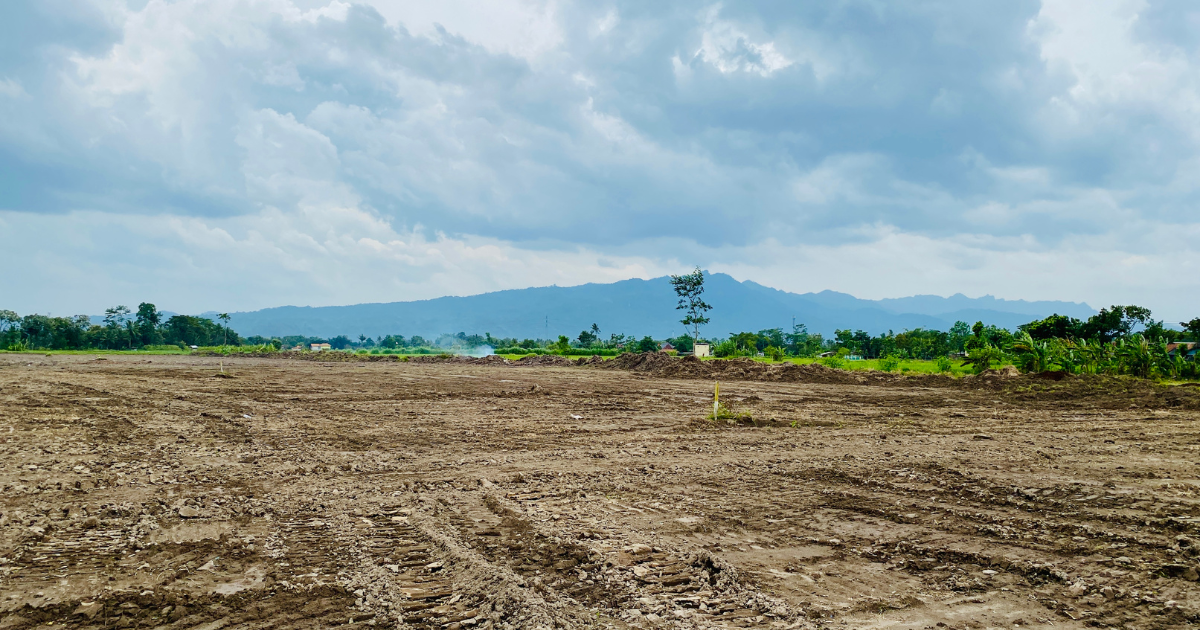
When you understand earthworks, you get the whole foundation
Once you’ve made one of the biggest decisions of your life (and finalised the paperwork), it’s time to break ground!
You’ve completed your selections, signed all the documents, and your pre-construction schedule is locked in…Before we continue, let’s take a moment to celebrate the huge mark you’ve already made on your new home build! You’ve done all the hard work and now it’s time to start building. To kick things off, we begin with a process called earthworks.
It’s the all-important foundation of your home, so we take extra care during this stage. Think of it as our calling card for the rest of the build, because when the groundwork is done right, everything that follows runs smoother. And you’ll quickly see why it’s especially important when we start preparing the site.
How important is the earthworks stage?
Simply put, earthworks involves preparing and reshaping the ground so it becomes the perfect base for your new home.
It’s a bit like cleaning the kitchen before cooking dinner. Sure, you could skip it… but the results probably wouldn’t be great. During this stage, we prepare and level your block before the concrete slab can be laid. Over a few weeks, the site is carefully prepared, levelled, and compacted so the foundation of your home is stable and ready for construction.
Think of it like this: good earthworks could mean the difference between a home that lasts for generations… and a backyard tent with two pegs missing.
First, the site preparation (minus the organics)
To start, we create a prepared and compacted building pad, which becomes the solid base for your home. Many blocks of land (especially in new developments) naturally collect organic material over time. Things like plants, weeds, roots, and debris all need to be removed before building can begin.
These materials break down over time and can cause ground movement, so they’re cleared away to create a stable base. During the earthworks stage, professional contractors will:
Scrape the site
This involves removing organic material from the block so we can begin preparing the surface. Bushes, grass, roots, and debris are cleared away to create a clean base.
Level the lot
Next comes the process of leveling the site. Excess soil may be removed or redistributed so the ground is even and ready for construction.
Add fill where required
Additional material may be added to achieve the correct levels and support drainage beneath the slab.
Compact the area
Finally, the prepared surface is compacted using specialised equipment to ensure the ground is firm and stable before the slab is installed.
Setting the location, one peg at a time
Once the site preparation is complete, a licensed surveyor will return to the block to re-peg the site. This confirms exactly where the boundaries of your block are and ensures your home is built in the correct location.
When the land was first developed, the block would have been pegged by the developer. However, those original pegs often disappear during construction activity or site works. So this step makes sure everything is perfectly aligned before construction continues.
Engineering checks and pre-lay services
After the site is prepared and pegged, engineers carry out inspections to ensure the foundation meets the required standards. Once approved, we install pre-lay services before pouring the slab.
The layers of your foundation
We know you’re keen to get to the slab stage, but each layer beneath it plays a really important role.
Here’s what goes into your home’s foundation:
- Termite protection systems to help prevent termites entering the structure
- Waterproofing membranes to control moisture beneath the slab
- Plumbing pre-lays that allow waste pipes to run out of the home
- Service penetrations including water, gas, electrical, and wastewater connections
- Engineer-specified reinforcement mesh, which strengthens the concrete slab
Each layer works together to create a strong and durable base for your home.
Timeline of earthworks
So how long does the earthworks stage actually take? From start to finish, the process usually takes around two to three weeks, depending on site conditions and scheduling.
Once everything is prepared, inspected, and approved, it’s finally time to pour. Not the wine – although that might be tempting. We’re talking about the concrete slab, which officially marks the beginning of your home taking shape.
And now that you know how the earthworks stage works… it’s almost time to get ready for the slab party.


